
Drive out of Mareeba in any direction and you’ll pass orchards, plantations and paddocks. Agriculture isn’t just part of the local economy here; it’s the backbone of it, and it shapes the rural property market more than anything else.
The numbers
At a Mareeba Chamber of Commerce luncheon in mid-2026, Chamber president and FNQ Growers president Joe Moro presented the gross value of production for the region’s key crops:
- Citrus: $170 million
- Bananas: $169 million
- Avocados: $151 million
- Mangoes: $54 million
- Berries: $48 million
- Table grapes: $44 million
- Papaya: $40 million
Add in coffee (Mareeba likes to call itself the coffee capital), sugarcane and cattle, and you can see why productive farmland here is valued for what it can grow, not just its acreage.
Council figures put the shire’s population at 24,205, with growth that has been steady rather than spectacular.
What it means for rural property
For horticulture and cropping country, buyers look hard at:
- Water. Irrigation allocations, bores and dams usually matter more than the house.
- What the block has grown. Existing trees, their age and variety, and the soil they’re in.
- Infrastructure. Packing sheds, cool rooms, machinery sheds and workers’ accommodation.
- Transport. Growers have long pushed for better roads to get produce to market, so access counts.
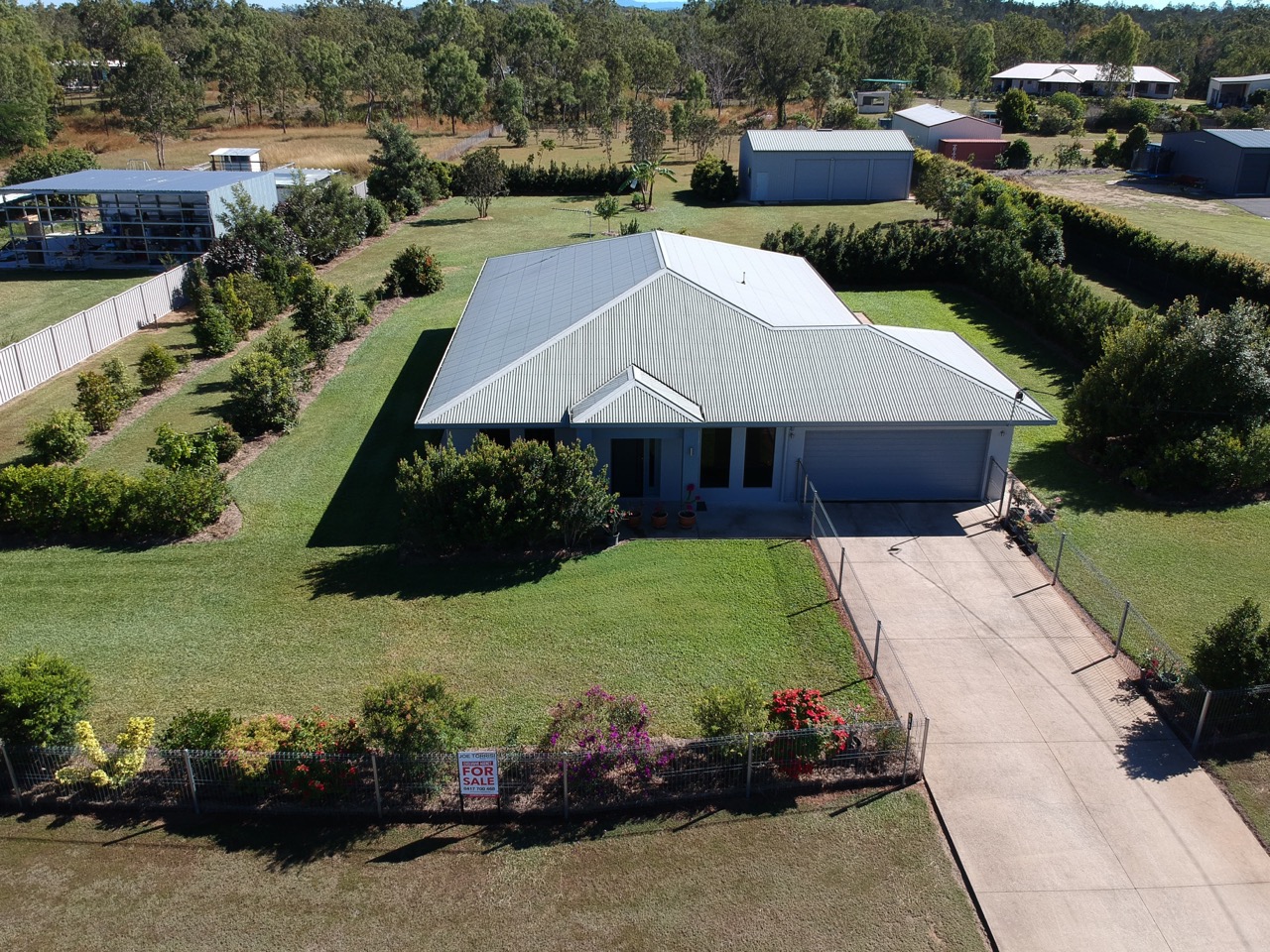
Lifestyle blocks are a different market. Families buy them for space and a slower pace, and they’re often bought with the heart as much as the head.
If you’re thinking about selling a farm or buying into the district, we’re happy to talk it through. Joe grew up farming on the Tablelands, so you’ll get practical advice, not just a sales pitch.